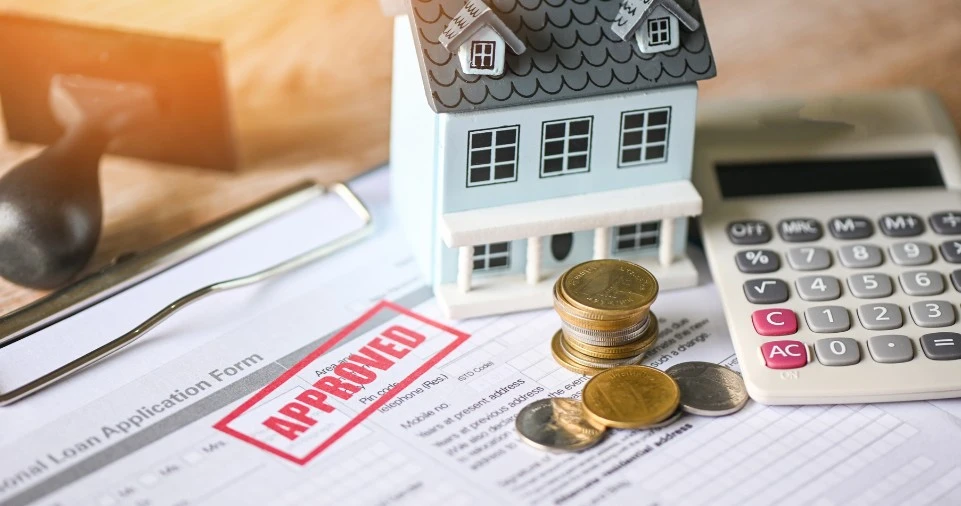
A bakery owner applied for a $75,000 SBA loan to expand into a second location. She had strong revenue, a solid business plan, and four years of operating history. The application was denied. The reason: her personal credit score was 638 — just below the lender’s 650 minimum. She did not know that personal credit, not just business financials, would determine the outcome.
Three months later, after paying down two credit cards and disputing an error on her Experian report, her score hit 672. Same bank, same loan, same business plan. Approved.
Getting a business loan is not about whether your business deserves funding. It is about whether your application meets the specific requirements your lender uses to assess risk. Those requirements vary dramatically depending on the loan type, lender type, and your business stage — and knowing them before you apply is the difference between approval and wasted time.
This guide walks you through every step of how to get a business loan: the six major loan types, what each requires, how to prepare your application, and strategies to improve your approval odds. We also built a free business loan calculator that shows your monthly payment, total interest, and full amortization schedule for any loan amount.
The Six Types of Business Loans (And Which One Fits Your Situation)
Not all business loans are the same. Choosing the wrong type is one of the most common reasons applications fail — because each type has different eligibility requirements, terms, and ideal use cases.
| Loan Type | Best For | Typical Amount | Interest Rate Range | Time to Fund | Min. Credit Score |
|---|---|---|---|---|---|
| SBA 7(a) Loan | General purpose (working capital, equipment, expansion) | Up to $5 million | Prime + 2.25% to 4.75% | 2-6 weeks | 650-680+ |
| SBA 504 Loan | Real estate and major equipment | Up to $5.5 million | Below-market fixed rates | 4-10 weeks | 680+ |
| Term Loan (Bank) | Established businesses needing fixed capital | $25K-$500K+ | 7-12% APR | 2-8 weeks | 680-700+ |
| Business Line of Credit | Ongoing cash flow needs, seasonal gaps | $10K-$250K | 8-24% APR | 1-3 weeks | 600+ |
| Online Lender Term Loan | Fast funding, less-than-perfect credit | $5K-$500K | 15-35% APR | 1-3 days | 550-600+ |
| Microloan | Startups and very small businesses | Up to $50,000 | 8-13% | 2-4 weeks | No hard minimum |
SBA loans are the gold standard for most small businesses. They offer the lowest rates, longest terms (up to 25 years for real estate), and most flexible use of funds. The tradeoff: stricter requirements and slower approval. The U.S. Small Business Administration does not lend directly — it guarantees loans made by partner banks and lenders, reducing risk for the lender.
Bank term loans offer competitive rates but require strong financials. Traditional banks are conservative — they want at least two years of operating history, strong credit, and proven profitability. If you check those boxes, a bank loan is usually your cheapest option after SBA loans.
Online lenders (OnDeck, Bluevine, Kabbage/Amex Business Blueprint, Fundbox) trade lower rates for speed and accessibility. You can get funded in 24 to 72 hours with a credit score as low as 550 — but you will pay significantly higher interest rates (15-35% APR). Use these for short-term needs where speed matters more than cost.
Microloans are designed for startups and very small businesses that cannot qualify for traditional loans. The SBA microloan program offers up to $50,000 through community-based nonprofit lenders. Requirements are less rigid, and many programs include business mentoring and support.
Business lines of credit work like a credit card — you draw funds as needed and only pay interest on what you use. These are ideal for managing cash flow gaps, covering seasonal inventory, or handling unexpected expenses.
What Lenders Look At (The Five Requirements That Determine Approval)
Every lender evaluates the same five factors. The weight they give each one varies by lender type, but understanding all five prepares you for any application.
1. Personal Credit Score
Your personal credit score is the single most important factor for small business loan approval — especially if your business is less than five years old. Lenders view it as proof of how you manage financial obligations when things get difficult.
General minimums: SBA loans require 650-680+. Traditional banks typically want 680-700+. Online lenders accept 550-600+. Microloans have no hard credit floor.
What to do before applying: Check your credit report at all three bureaus (Experian, Equifax, TransUnion) for errors. Pay down credit card balances to below 30% utilization. Do not open new credit accounts in the three months before applying.
2. Time in Business
Most lenders require at least two years of operating history. SBA loans typically need two years. Banks want two to three years. Online lenders may accept six months to one year. Startups with less than two years will need to rely on personal credit, a detailed business plan, and potentially a microloan or personal guarantee.
3. Annual Revenue
Lenders want proof that your business generates enough income to repay the loan. Typical minimums: SBA loans require that the business shows sufficient cash flow (no fixed revenue floor, but lenders typically want $100,000+ annually). Online lenders often require $10,000+ in monthly revenue. Banks want to see consistent, growing revenue over two to three years.
The key metric lenders calculate is your Debt Service Coverage Ratio (DSCR): annual net operating income divided by annual debt payments. A DSCR of 1.25 or higher means your business generates $1.25 for every $1.00 in debt payments — and most lenders require at least 1.25. Use our business loan calculator to model your monthly payment and check whether your current income covers it.
4. Collateral
Some loans require physical assets (real estate, equipment, inventory) as security. SBA 504 loans are specifically for real estate and major equipment purchases. SBA 7(a) loans may or may not require collateral depending on the loan amount. Online lenders typically offer unsecured loans but may place a blanket lien on business assets.
5. Business Plan and Use of Funds
Lenders want to know exactly how you will use the money and how it will generate returns. A loan application that says “for business growth” is weak. One that says “to purchase a $30,000 commercial oven that will increase production capacity by 40%, enabling $120,000 in additional annual revenue” is strong. Be specific and connect the investment to measurable outcomes.
The Application Checklist (Prepare Before You Apply)
Having these documents ready before you start the application process saves weeks and prevents the most common delays.
Documents every lender requires:
- Personal identification (driver’s license, passport)
- Business registration documents (LLC articles, incorporation papers)
- EIN (Employer Identification Number)
- Personal and business tax returns (last 2-3 years)
- Year-to-date profit and loss statement (no older than 60 days)
- Balance sheet
- Business bank statements (last 3-6 months)
- Existing debt schedule (list of all current loans and payment obligations)
Additional documents for SBA loans:
- SBA Form 1919 (Borrower Information Form)
- Business plan with financial projections
- Collateral description (if applicable)
- Personal financial statement (SBA Form 413)
- Proof that you were denied conventional financing (for some SBA programs)
Pro tip: Organize everything in a single digital folder before contacting any lender. Lenders process complete applications faster than ones that trickle in document by document. A well-organized application also signals competence — which matters more than you might think when a loan officer is making a judgment call on a borderline application.
SBA Loans vs Bank Loans vs Online Lenders: How to Choose
The right lender depends on three factors: how fast you need the money, how strong your credit is, and how much you are willing to pay in interest.
| Factor | SBA Loan | Bank Term Loan | Online Lender |
|---|---|---|---|
| Speed | 2-10 weeks | 2-8 weeks | 1-3 days |
| Interest rate | Lowest (Prime + 2-5%) | Low (7-12%) | Highest (15-35%) |
| Credit requirement | 650-680+ | 680-700+ | 550+ |
| Time in business | 2+ years | 2-3+ years | 6+ months |
| Documentation | Extensive | Moderate | Minimal |
| Best for | Long-term investment, lowest cost | Established businesses, competitive rates | Fast funding, weaker credit profiles |
If you qualify for an SBA loan, apply for one first. The interest savings over the life of the loan are substantial. A $100,000 SBA loan at 8% over 10 years costs approximately $45,600 in total interest. The same loan from an online lender at 25% costs approximately $159,400 in total interest. That is $113,800 more — for the same amount of capital. Use our business loan calculator to compare scenarios.
If you need money in days, not weeks, online lenders are the practical choice despite higher costs. A business facing a time-sensitive opportunity (bulk inventory discount, equipment at auction, emergency repair) cannot wait six weeks for SBA processing.
If you have strong credit but want to avoid SBA paperwork, a bank term loan is a solid middle ground. Rates are competitive, processing is faster than SBA, and documentation requirements are moderate.
Seven Strategies to Improve Your Approval Odds
1. Check and fix your credit before applying. Dispute errors, pay down balances, and wait until your score reflects the improvements. A 40-point credit score increase can move you from “denied” to “approved” at many lenders.
2. Apply at the right lender for your profile. A startup with six months of history applying to a traditional bank is wasting time. Match your business stage, credit score, and revenue to the right lender type using the comparison table above.
3. Reduce existing debt first. Your DSCR improves when you reduce current debt obligations. Pay off small loans or credit card balances before applying for a larger loan. Even reducing monthly debt payments by $500 can meaningfully improve your ratio.
4. Prepare a clear use-of-funds statement. “Working capital” is vague. “Purchasing $45,000 in inventory to fill confirmed holiday orders representing $120,000 in revenue” is specific, quantified, and shows the lender exactly how repayment will happen.
5. Build a relationship with your bank before you need a loan. Banks lend more readily to existing customers with established business accounts, consistent deposits, and a visible transaction history. Open your business account at the bank you plan to borrow from, ideally 6 to 12 months before applying.
6. Consider an SBA microloan if you are a startup. Microloans (up to $50,000) have less stringent requirements and come from community-based nonprofit lenders who specialize in supporting new businesses. Many also provide mentoring and technical assistance.
7. Get a co-signer or offer additional collateral. If your credit is borderline, a co-signer with strong credit or additional collateral (equipment, real estate, savings) can tip the scale toward approval. Be aware that co-signers are equally liable for the debt.
Frequently Asked Questions
Q: What credit score do I need for a business loan?
A: It depends on the lender type. SBA loans typically require 650-680+. Traditional banks want 680-700+. Online lenders accept scores as low as 550. Microloans have no hard credit floor. Your personal credit score is the primary factor for small businesses — even more important than business credit in most cases.
Q: Can I get a business loan with bad credit?
A: Yes, but your options narrow and costs increase. Online lenders and merchant cash advance providers work with credit scores of 550+. SBA microloans also have flexible credit requirements. Expect higher interest rates (15-35% APR) compared to conventional loans (7-12%). Improving your credit score by even 40-50 points before applying can save thousands in interest.
Q: How long does it take to get a business loan?
A: Online lenders can fund within 1 to 3 business days. Bank term loans take 2 to 8 weeks. SBA 7(a) loans take 2 to 6 weeks on average. SBA 504 loans (for real estate) can take 4 to 10 weeks. Having all documentation ready before applying is the single biggest factor in speeding up any process.
Q: What documents do I need for a business loan?
A: At minimum: personal ID, business registration, EIN, 2-3 years of tax returns, recent P&L statement, balance sheet, and 3-6 months of bank statements. SBA loans require additional forms (SBA 1919, personal financial statement, business plan). Online lenders typically require only bank statements and basic business information.
Q: How much can I borrow with an SBA loan?
A: SBA 7(a) loans go up to $5 million. SBA 504 loans go up to $5.5 million. SBA microloans cap at $50,000. The amount you qualify for depends on your business’s cash flow, collateral, and the lender’s assessment of repayment ability — not just the program maximum.
Q: Should I choose an SBA loan or an online lender?
A: If you have time (2-6 weeks), good credit (650+), and 2+ years in business, always apply for an SBA loan first. The interest savings are dramatic — a $100,000 SBA loan can save over $100,000 in interest compared to the same amount from an online lender. Choose online lenders only when speed is critical or you do not meet SBA requirements.
Your Business Loan Action Plan
- Check your personal credit score at all three bureaus. Fix errors and pay down balances.
- Determine which loan type fits your situation using the comparison table.
- Gather every document on the application checklist.
- Use our free business loan calculator to model your monthly payment and verify your DSCR covers it.
- Apply to the right lender for your profile. If eligible, start with SBA.
- If denied, ask the lender why. Fix the specific issue and reapply (or try a different lender type).
The bakery owner from the opening did not need a better business. She needed a higher credit score and the right lender match. The loan that was denied at 638 was approved at 672 — same business, same plan, different number. Know your numbers before you apply.